

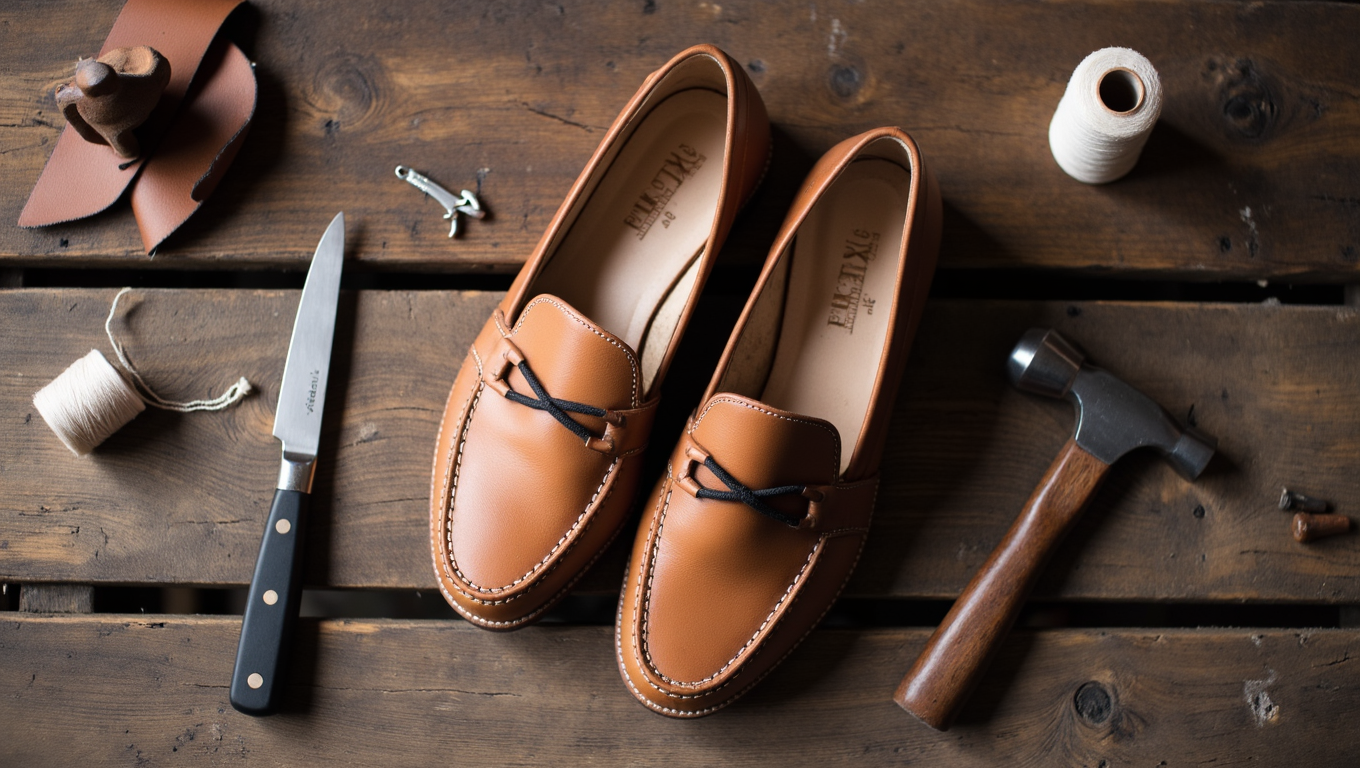

Handmade Leather Shoes in Pakistan: The Ultimate 2024 Guide
In an era of automated assembly lines and synthetic materials, the art of crafting footwear by hand stands as a profound statement of quality, heritage, and individuality. Nowhere is this tradition more vibrant and deeply rooted than in the creation of handmade leather shoes in Pakistan. This is not merely a manufacturing process; it’s a cultural legacy, a form of artistry passed through generations, where each stitch tells a story of patience and precision.
From the bustling workshops of Lahore to the historic markets of Peshawar, skilled artisans transform raw, full-grain leather into wearable masterpieces. These shoes offer more than just aesthetic appeal; they promise unparalleled comfort, exceptional durability, and a connection to a centuries-old craft. This definitive guide will immerse you in the world of Pakistani leather craftsmanship. We will explore the types of leather used, unveil the meticulous creation process, and equip you with the knowledge to select and care for a pair of authentic, artisan-made shoes that will last a lifetime.
Why Choose Handmade Leather Shoes from Pakistan?
In a market flooded with mass-produced options, the decision to invest in a pair of handmade leather shoes in Pakistan is a choice for superior quality and enduring value. The benefits extend far beyond the surface, touching on aspects of durability, comfort, and ethical production that machine-made footwear simply cannot replicate.
The Unmatched Durability of Hand-Stitched Construction
The primary distinction of a handmade shoe lies in its construction. Unlike mass-produced shoes where soles are often glued on by machines—a method that is quick but prone to failure—artisan shoes are hand-stitched. Pakistani craftsmen often employ a lockstitch technique using two separate threads. This means that even if one stitch breaks, the rest hold firm, preventing the entire seam from unraveling. This meticulous process ensures the upper and the sole are bound together with formidable strength, leading to a lifespan that can be measured in years, not seasons.
“A machine follows a path. An artisan feels the leather, understands its tension, and makes a stitch that will last a lifetime. That is the difference.”
The Comfort of a Custom Fit That Breathes
Genuine leather is a natural, porous material. This inherent breathability allows air to circulate, wicking away moisture and keeping your feet comfortable and dry, which is a significant advantage over synthetic alternatives. Furthermore, high-quality leather has the remarkable ability to conform to the unique shape of your foot over time. This creates a personalized fit that is impossible to achieve with rigid, machine-made shoes. The initial break-in period gives way to a level of comfort that feels truly bespoke, making handmade leather shoes in Pakistan an excellent choice for all-day wear.
Sustainability and Supporting Ethical Craftsmanship
Choosing handmade is an inherently sustainable choice. The longevity of the shoes means fewer pairs end up in landfills. The leather itself is often a byproduct of the local meat industry, utilizing a material that would otherwise be discarded. Moreover, purchasing from brands that work directly with artisans ensures that you are supporting a valuable cultural heritage and providing a fair wage to skilled craftsmen. It’s a conscious consumption model that values human skill over industrial scale, preserving an art form and the livelihoods it supports. A single pair of handmade leather shoes in Pakistan represents a commitment to this ethical ecosystem.
Leather Decoded: Understanding the Primary Material
The quality of any leather shoe is fundamentally determined by the quality of the leather itself. In Pakistan, artisans have a deep, almost intuitive understanding of this material. For a discerning buyer, knowing the basics of leather grades is crucial.
What is the Difference Between Full-Grain and Top-Grain Leather?
This is the most critical distinction in leather quality. Authentic, high-end handmade leather shoes in Pakistan are almost exclusively made from full-grain leather.
| Leather Type | Characteristics | Why It Matters |
|---|---|---|
| Full-Grain Leather | The highest quality grade. It comes from the top layer of the hide and includes all the natural grain with its imperfections. It has not been sanded or buffed. | It is the most durable and breathable. It develops a beautiful patina (a rich sheen) over time, making the shoes more beautiful with age. |
| Top-Grain Leather | The second-highest quality. The surface has been sanded and a finish coat applied to remove imperfections. It’s more uniform in appearance. | While still a good material, the sanding process removes the strongest fibers of the hide, making it less durable than full-grain. It will not develop a natural patina. |
Common Sources of Leather for Footwear in Pakistan
Cowhide: The Workhorse
Cowhide is the most common material used for the uppers and soles of men’s shoes due to its excellent durability, thickness, and resistance to wear and tear.
Goatskin: The Soft and Supple Choice
Known for being softer and more pliable, goatskin is often used for more delicate footwear like ladies’ khussas or for the comfortable lining inside sturdier shoes.
Camel Hide: The Exotic and Resilient Option
Less common but highly prized, camel leather is known for its remarkable tensile strength, which is reportedly up to 10 times stronger than cowhide. [Source Needed] It is often used for premium, durable footwear that stands out.
The Making of a Masterpiece: A Step-by-Step Crafting Process
The creation of handmade leather shoes in Pakistan is a meticulous ballet of skill and patience. The entire process, from start to finish for a single pair, can involve over 100 individual steps and take several days to complete.
1. Design and Pattern Creation (Naqsha)
The master craftsman, or ‘Ustad’, begins by drawing the shoe’s design onto a paper or cardboard pattern. This template is the blueprint for the entire shoe, and its proportions are critical for a balanced and comfortable final product.
2. Leather Cutting (Katai)
The patterns are laid over the selected full-grain leather hide. With an incredibly sharp knife, the craftsman carefully cuts each piece of the upper. This requires immense precision to ensure all parts will fit together perfectly.
3. Upper Stitching and Embroidery (Silai and Kashidakari)
The cut leather pieces are then passed to another artisan who specializes in stitching. For simpler designs, the pieces are sewn together. For ornate shoes like khussas, this is when intricate embroidery (‘kashidakari’) is painstakingly applied by hand before the shoe is assembled.
4. Lasting (Farma Lagana)
The completed upper is soaked in water to make it pliable and then stretched tightly over a wooden or plastic foot mold called a ‘last’. It is tacked into place and left to dry for at least 24 hours. This crucial step gives the shoe its definitive shape and structure.
5. Sole Attachment (Talla Lagana)
This is the hallmark of quality. The leather sole and heel are attached to the upper not with glue, but by being hand-stitched. The artisan uses an awl to pierce through the layers of leather and then uses two needles to create a durable lockstitch, ensuring a bond that will last for years.
6. Finishing and Polishing (Rangai)
Finally, the shoe is removed from the last. The edges of the sole are trimmed, sanded, and burnished for a smooth finish. The leather is then cleaned, conditioned, and polished with waxes to bring out its natural luster and provide a layer of protection. The final product is a testament to the artisan’s skill: a durable, comfortable, and beautiful pair of handmade leather shoes in Pakistan.
Iconic Styles of Handmade Leather Shoes in Pakistan
Pakistan’s footwear heritage is rich with distinct styles, each with its own history and cultural identity. Here are some of the most renowned examples:
The Peshawari Chappal
Hailing from the Khyber Pakhtunkhwa province, this is arguably the most famous Pakistani shoe. It’s a semi-closed sandal known for its comfort, making it suitable for the region’s warm climate. Traditionally worn by Pashtun men, it has gained mainstream and even international popularity, famously being adapted by high-fashion designers.
The Multani Khussa
A type of slip-on shoe with a distinctive curled toe, the khussa is a symbol of South Punjab’s vibrant culture. Traditionally, there was no distinction between the left and right foot. They are often lavishly decorated with silk thread embroidery, beads, and mirrors, making them a popular choice for weddings and festivals.
The Kaptaan Chappal
A modern variation of the Peshawari chappal, this style gained immense popularity after being frequently worn by former Prime Minister Imran Khan. It typically features a more cushioned sole and a slightly sleeker design, bridging the gap between traditional and contemporary fashion.
A Buyer’s Guide: What to Look for When Purchasing
When you’re ready to invest in a pair of handmade leather shoes in Pakistan, keep these quality indicators in mind to ensure you are getting an authentic, well-crafted product.
- Smell the Leather: Genuine, well-tanned leather has a rich, earthy aroma. A chemical or plastic-like smell is a clear indicator of low-quality or synthetic materials.
- Inspect the Stitching: Look closely at the seams, especially where the sole is attached. The stitches should be tight, evenly spaced, and consistent. You should not see any signs of glue.
- Check the Insole: Press down on the insole. A quality shoe will have a leather insole, which is crucial for breathability and comfort. Many cheaper versions use a cardboard or synthetic substitute called ‘rexine’.
- Feel the Flexibility: While sturdy, a well-made leather shoe should have some flexibility in the sole. If it feels completely rigid and unbending, it may be uncomfortable and poorly constructed.
Conclusion: An Investment in Timeless Quality and Culture
To own a pair of handmade leather shoes in Pakistan is to own more than just an accessory. It is an investment in a piece of art that carries with it the story of its maker and the richness of its cultural origins. These shoes stand in defiance of throwaway fashion, offering a blend of durability, personalized comfort, and timeless style. By supporting the artisans who continue this legacy, you not only acquire a superior product but also become a patron of a craft that deserves to be cherished and preserved for generations to come.
Frequently Asked Questions (FAQ)
1. How long does it take to make a single pair of handmade leather shoes in Pakistan?
The process can take anywhere from 2 to 7 days, depending on the complexity of the design. A simple Peshawari chappal might take a couple of days, while a khussa with intricate embroidery can take a week or more, involving multiple artisans with specialized skills.
2. Do handmade leather shoes require a break-in period?
Yes, a short break-in period is normal for high-quality, full-grain leather shoes. Initially, they may feel snug, but the leather will gradually soften and mold to the contours of your feet, resulting in a perfect, custom fit that is exceptionally comfortable.
3. Can I get a custom design made?
Absolutely. This is a key benefit of the artisan craft. Many brands and individual craftsmen, such as those that Rustom Footwear collaborates with, offer bespoke services where you can select the leather type, color, sole, and even specific design elements for your own unique pair of handmade leather shoes in Pakistan.
4. How should I care for my handmade leather shoes to make them last?
To maximize their lifespan, keep them dry and clean them with a soft cloth. Apply a natural leather conditioner every 3-6 months to prevent the leather from drying out. Store them in a cool, dry place with shoe trees if possible to help them maintain their shape.
5. Are these shoes suitable for formal occasions?
Yes, many styles are perfectly suited for formal wear. A well-crafted pair of leather loafers, oxfords, or even a sleek, polished Peshawari chappal can complement both traditional and Western formal attire, offering a unique touch of sophisticated craftsmanship.